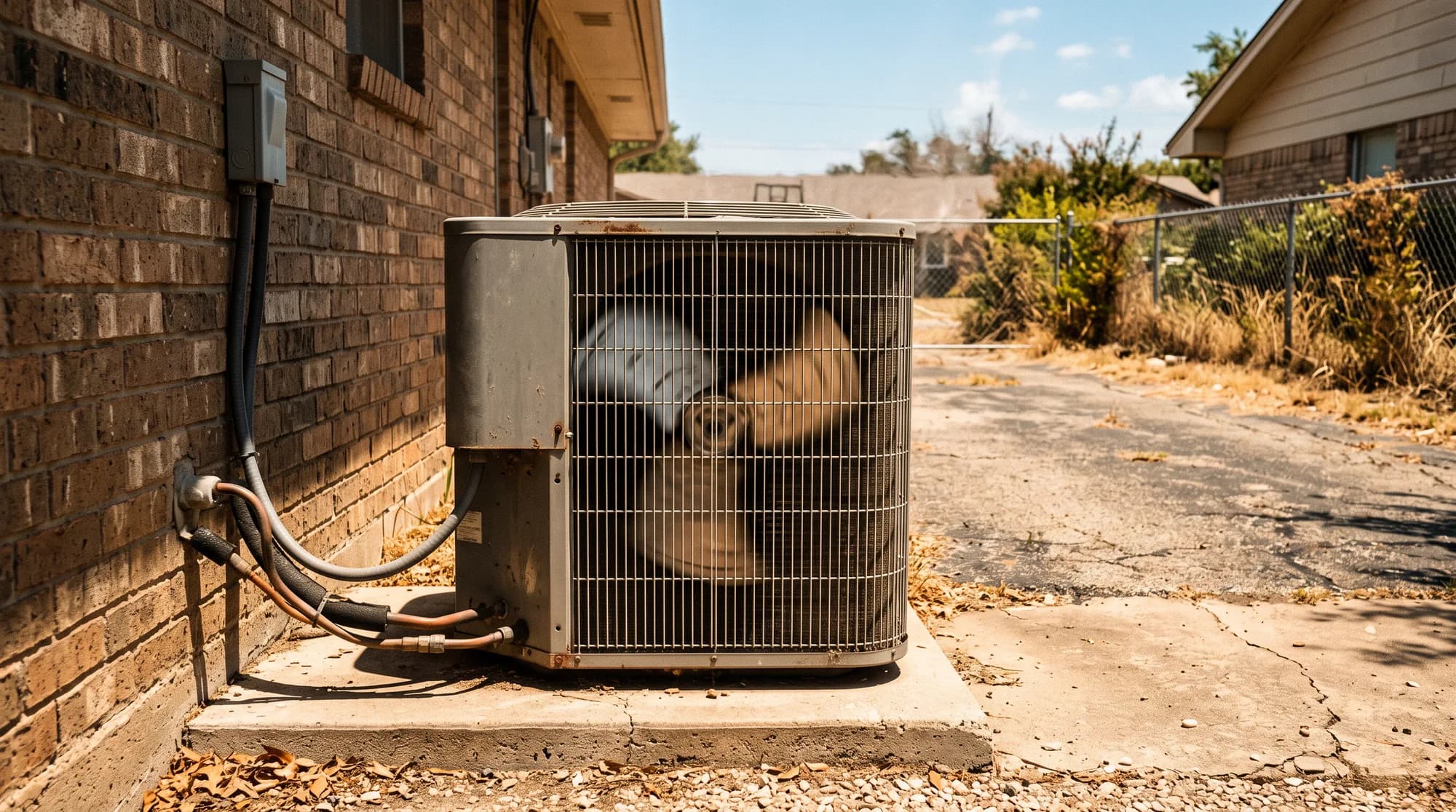
A late-June heat dome sent temperatures soaring across the eastern US and pushed air-conditioning demand sharply higher, with about 180 million Americans placed under major or extreme heat risk as the event expanded on June 28. Temperatures and heat indexes reached the 100-110°F range in many areas, while the PJM power grid serving 67 million people recorded a preliminary all-time peak load of 168,158 megawatts on July 2.
The heat showed how quickly cooling demand can rise when extreme temperatures cover a large population. For homeowners, an AC that ran constantly, struggled to cool certain rooms or drove noticeably higher electricity use this summer may need attention before the next major heat event.
June Heat Dome Put 180 Million Americans Under Major Heat Risk
The first major heat dome of summer 2026 developed across the eastern US and eastern Canada beginning June 26 and continued into early July. As the event expanded, the National Weather Service's HeatRisk system placed roughly 180 million people under major or extreme heat risk.
A Quick Glance: Power Consumption During 2026 Heat Dome
| Utility | Date | Power Consumption |
|---|---|---|
| Salt River Project | July 24 | 9,072 MW |
| PJM Interconnection | July 2 | 168,158 MW |
| BC Hydro | July 22 | 8,715 MW |
| BC Hydro | July 23 | 8,870 MW |
| Arizona Public Service | August 2 | 9,164 MW |
Sources: National Weather Service/heat-wave reporting, PJM, BC Hydro, and Arizona Public Service
Temperatures reached the upper 90s and low 100s across large parts of the Midwest, Mid-Atlantic, and Northeast, while humidity pushed indexes to 100-110°F or higher in many locations. New York City reached 100°F at Central Park on July 2, the first triple-digit reading there since 2012.
The combination of extreme temperatures and widespread cooling demand also put significant pressure on regional electricity systems. PJM reported a preliminary all-time peak load of 168,158 MW on July 2, surpassing its previous 165,563-MW record from 2006. The figure includes the effect of demand-response programs that reduce electricity consumption during peak demand.
Regional Power Records Showed How Hard AC Loads Can Hit
The surge in electricity demand was not limited to the eastern US. Other regions also set summer power-demand records as temperatures climbed.
BC Hydro Broke Its Summer Demand Record Twice
In British Columbia, BC Hydro set a new all-time summer peak electricity demand of 8,715 MW on July 22, surpassing its previous summer record of 8,652 MW set in August 2025. The utility then broke the record again on July 23, reaching 8,870 MW as hot weather continued to drive air-conditioning use.
Arizona Utilities Also Recorded Peak Demand
Arizona also saw utility demand records during extreme heat. On July 24, Arizona Public Service customers used 9,053 MW between 5 and 6 pm, exceeding the utility's previous peak. Salt River Project also reported a record 9,072 MW during the same period. Phoenix reached 117°F that day.
Arizona Public Service announced its second peak-demand record of summer on August 2, reaching 9,164 MW as another period of extreme heat drove electricity demands higher.
Extreme Heat & AC Demand Surge Beyond the US
The pattern extended beyond North America. During a June European heat wave, AC demand and sales increased sharply in several major markets. Reuters reported that online sales in Germany rose 37% in May, while shipments to France and Spain increased 108%.
The takeaway for homeowners is narrower but still important: extreme heat can push cooling demand and electricity systems toward their limits at the same time.
El Niño Strengthened as 2026 Heat Pattern Continued
The 2026 heat pattern also developed as El Niño conditions emerged in the Pacific.
As of August 13, NOAA's Climate Prediction Center said El Niño is strengthening and put the chance of a very strong event during the Northern Hemisphere fall and winter of 2026-27 at greater than 90%. NOAA also gave a 69% chance that the event could exceed the strength of El Niño events recorded since 1950.
El Niño does not explain any individual heat wave on its own. Weather patterns, atmospheric circulation and other climate factors also influence extreme temperatures.
For homeowners, however, this year's repeated heat events provide a practical reason to assess AC systems before another period of heavy cooling demand.
ENERGY STAR Highlights AC Warning Signs in the 2026 Summer's Heat
A cooling system doesn't have to fail completely to show it is struggling. ENERGY STAR identifies several signs and performance problems that can indicate a cooling system needs professional attention.
Before the next major heat event, look for these warning signs:
- The AC runs almost continuously without reaching the thermostat setting.
- Some rooms stay warmer than others, particularly when outdoor temperatures climb.
- Electricity use rises sharply without an obvious change in household usage.
- The system struggles to restart after shutting off.
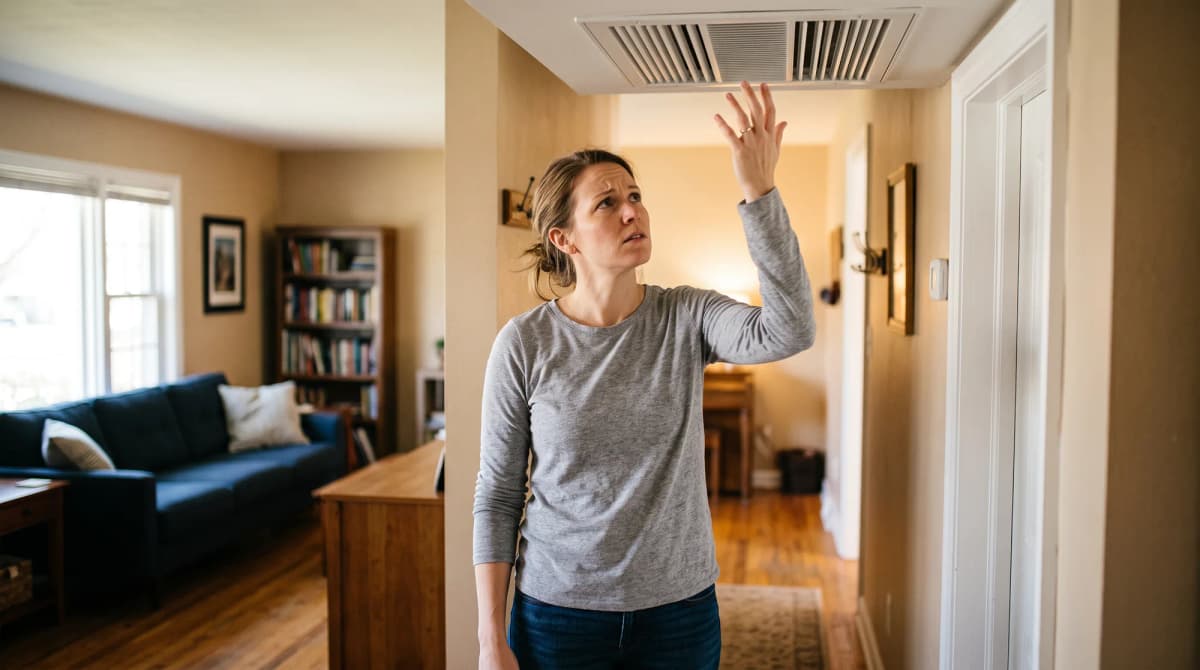
- Airflow from the vents feels weak compared with normal operation.
- You hear unusual noises or notice water around the indoor unit.
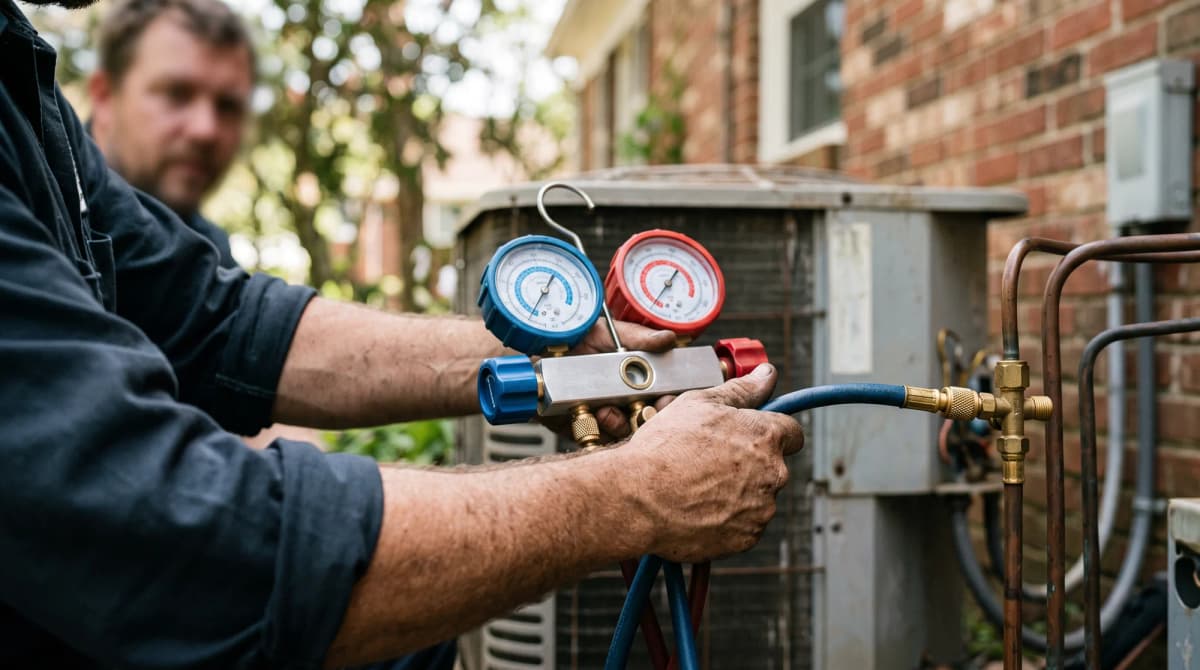
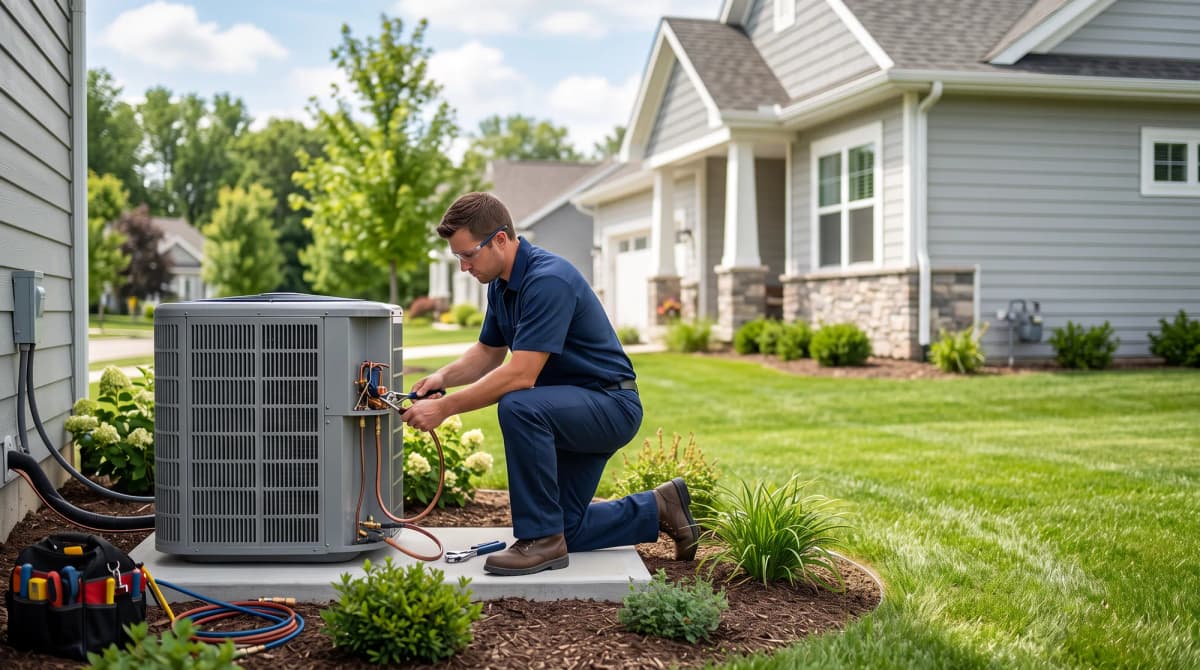
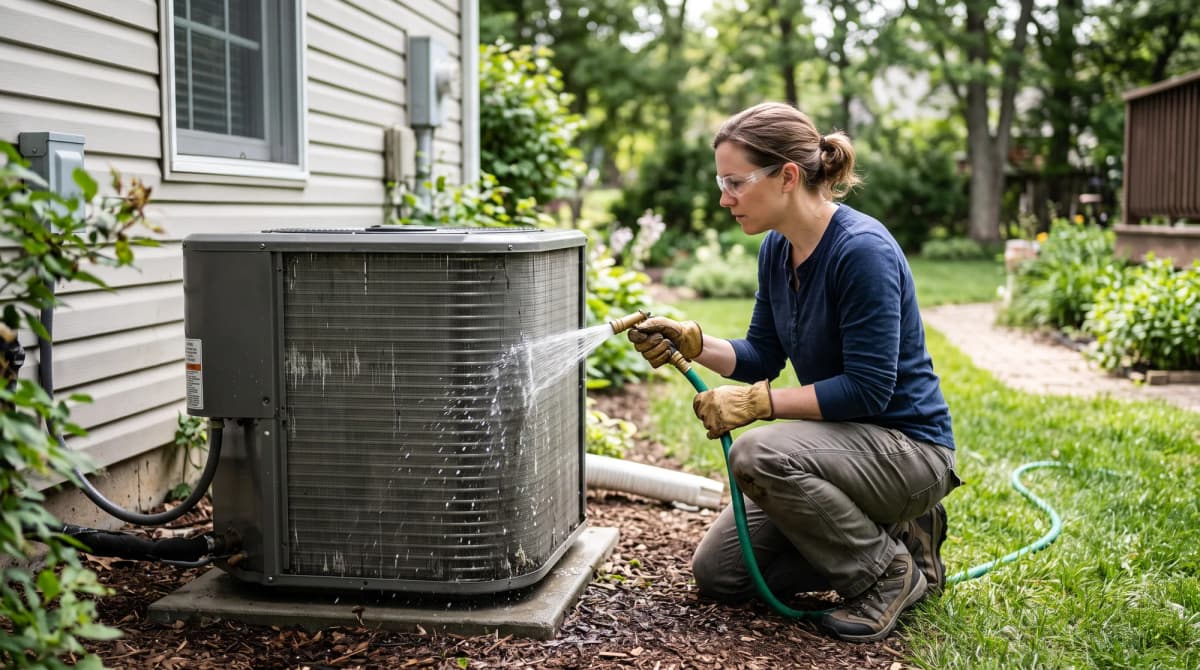
A system that repeatedly shows these symptoms during extreme heat may have an airflow restriction, electrical problem, refrigerant issue, dirty coil, or drainage problem. For a professional maintenance check, ENERGY STAR recommends checking refrigerant levels, cleaning condenser and evaporator coils, and inspecting condensate drains.
What 2026's Heat Means for Your AC
This summer's extreme temperatures are a useful reminder to assess your AC before the next period of heavy cooling demand. You do not need to replace a system simply because it struggled during a few extreme days.
If your AC ran continuously, cooled unevenly, or produced unexpectedly high energy use, have it evaluated before the next major heat event. A contractor can determine whether the problem is a repairable issue or a sign that the system is nearing the end of its useful life.
Compare AC Repair and Replacement Options
If you're already considering an AC replacement, compare the cost of repairing the current system with a properly sized, higher-efficiency replacement. Getting estimates before the next heat wave gives you more time to compare equipment, installation requirements, warranties, and total project costs.