If your AC is blowing warm air instead of cold, don't assume it needs a costly repair right away. Take a few simple checks first. These problems can occur due to changes in the thermostat setting, a dirty filter, a tripped circuit breaker, or a clogged outdoor unit.
If they fail to resolve the issue, the cause could be refrigerant loss, a frozen evaporator coil, ductwork leaks or compressor problems. Here are some tips on narrowing it down safely.
Quick Checks First
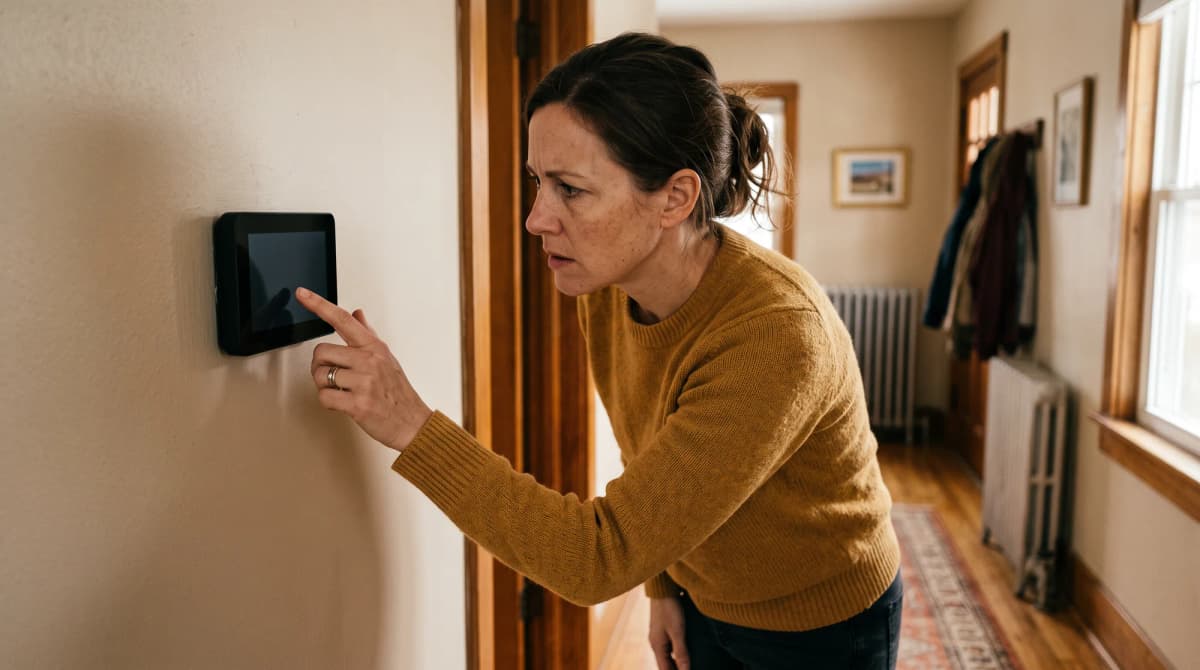
Start with the thermostat. Set it to cool (not heat or fan only) and the temperature setting should be cooler than the room temperature. If you have a smart thermostat, look to see if there is an unusual change of settings.
Then check whether the breaker powering the AC unit has tripped. Reset a tripped breaker once. If it trips again, turn it off and contact a professional.
Lastly, check the air filter. The filter may become clogged, not allowing enough air to flow through and causing cooling issues. If it's visibly dirty, change it for the right size and type in your system.
Common Causes of an AC Blowing Warm Air
Dirty or Clogged Air Filter
A dirty filter clogs your air conditioning system's air flow. Poor cooling or freezing may be caused by low airflow to the evaporator coil (indoor coil) that removes heat from the house's air.
Replace the filter if it is visibly clogged. If the filter replacement does not restore cooling, then another problem may be at fault.
Low Refrigerant (Leak)
Refrigerant is the fluid that allows your air conditioner to move heat from inside your home to the outdoors. If refrigerant is leaking, the system may run without producing properly cold air.
Low refrigerant can also cause the evaporator coil to freeze. Don't try to add refrigerant yourself. Refrigerant is regulated under EPA's Section 608 rules — homeowners can't legally buy or handle it, and this always needs a licensed, EPA-certified technician.
If low refrigerant is suspected, a technician should determine whether there's a leak and what repair is needed.
Frozen Evaporator Coil
Ice on the indoor evaporator coil or refrigerant lines can be a sign that the system has frozen.
A frozen coil is usually a sign rather than the underlying problem. Restricted airflow from a dirty filter and low refrigerant are possible causes.
If you see significant ice, turn the cooling system off and allow it to thaw. Don't try to chip the ice away. If the coil freezes again, have a professional find the cause instead of continuing to run the system.
Dirty Outdoor Condenser Unit
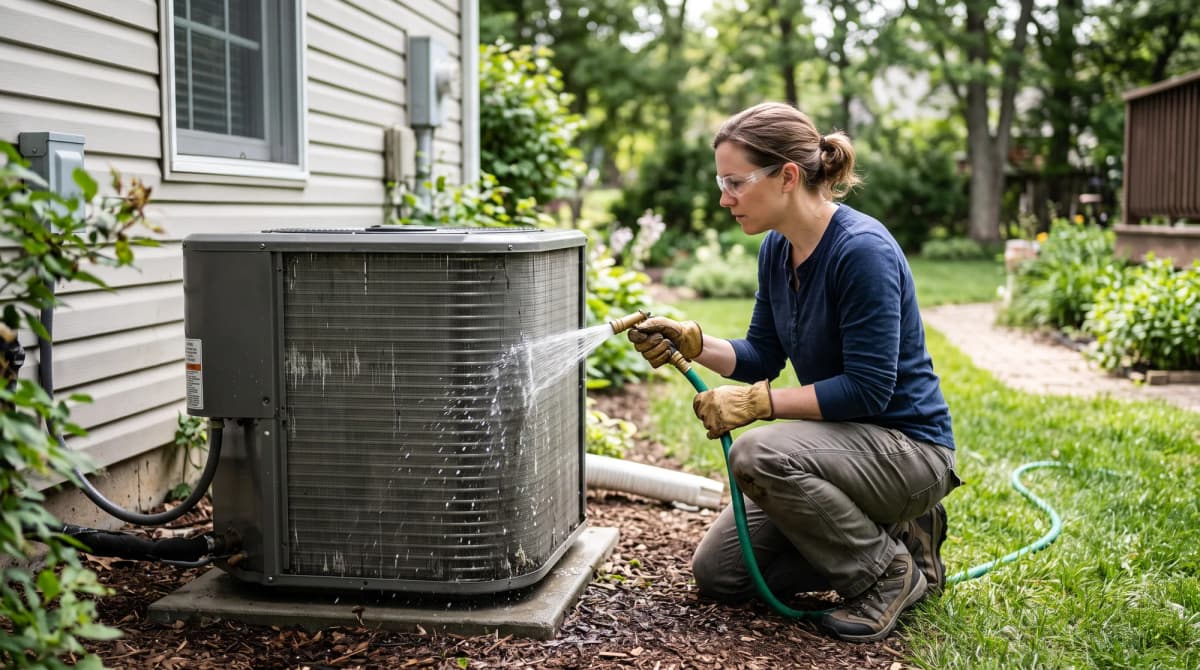
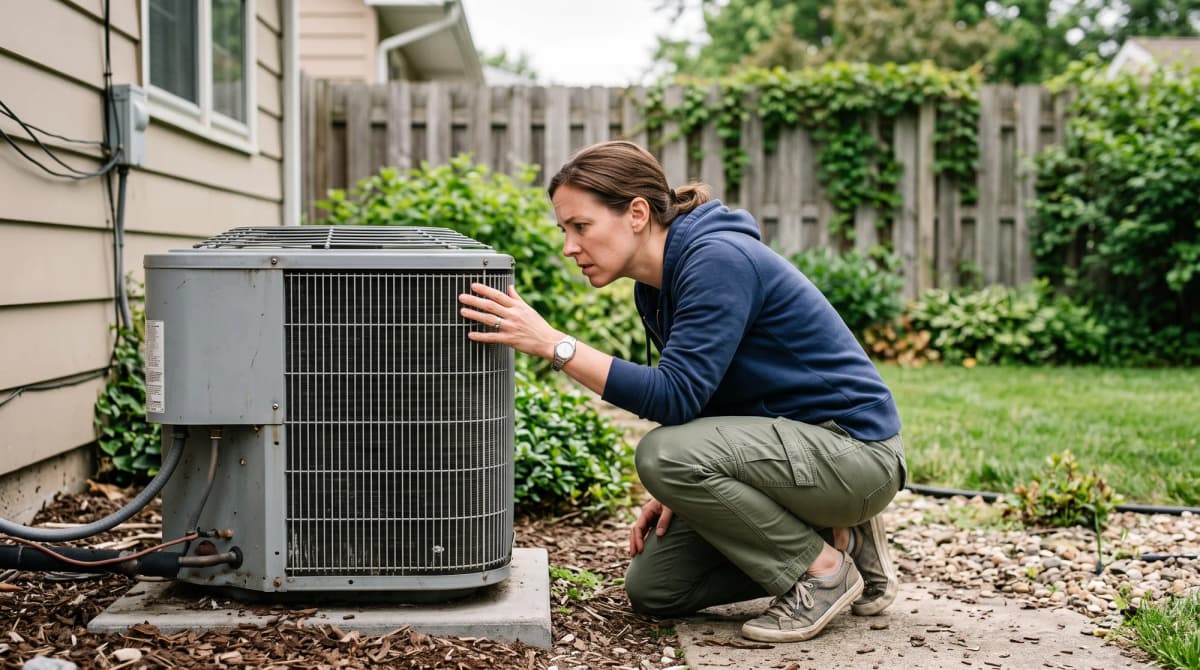
The outdoor condenser releases the heat removed from your home. Leaves, grass, dirt, and overgrown vegetation can restrict airflow around the unit and make it harder for the system to cool effectively.
With the system turned off, clear obvious debris and vegetation from around the outdoor unit. Never open an electrical compartment or make repairs.
In cases where the outdoor coil is extremely dirty, professional cleaning might be required.
Thermostat Issues or Wrong Settings
Occasionally, the air conditioning isn't the issue. Your thermostat may be set to the wrong heating or cooling mode. It may also read the temperature inaccurately or follow a schedule you don't expect.
Smart thermostat owners should also review schedules and energy-saving options. If the thermostat seems accurate but the air conditioning system is still releasing warm air, it could be a different issue in the system at large.
Ductwork Leaks
Your AC can produce cold air while some rooms remain warm. Leaking or poorly sealed ducts can let cooled air escape. This can happen in attics, crawlspaces, or other unconditioned areas before the air reaches your rooms.
A difference in temperature may be a significant clue. If some rooms are barely ventilated or warm, and others are quite cool, check the ductwork.
Compressor Problems
The air conditioning system is a complicated system with many parts, but the compressor is one of the most important. It pumps refrigerant around the system to allow heat transfer from indoors to outdoors.
A compressor problem can cause an AC to run without cooling properly, although other issues can produce similar issues. This is the reason why any compressor malfunction cannot be taken for granted without a proper diagnosis.
If the system suddenly stops cooling or makes unusual noises, don't keep running it. The same applies if it repeatedly trips the breaker.
Step-by-Step Troubleshooting Order
If the AC is operating but not cooling, go through these steps sequentially:
- Check the thermostat. Check the thermostat settings as outlined above.
- Check the breaker. Reset a tripped breaker once. If it trips again, leave it off and call a professional.
- Inspect the air filter. Replace it if it's heavily dirty or clogged.
- Check the outdoor unit. With the system off, clear obvious leaves, grass, and other debris around it.
- Look for ice. Ice on the refrigerant lines or indoor coil can indicate a frozen system. Turn off cooling and allow it to thaw.
- Test the system again. If these simple checks do not restore cooling, do not proceed with opening panels or handling refrigerant.
- Call a technician. If warm air continues to flow, there may be a refrigerant leak, an electrical problem, a ductwork issue, or a compressor failure.
These steps can eliminate some simple causes, but will not replace a professional diagnosis when the problem persists.
When Warm Air Means You Need a Professional
After all the basic checks, if your air conditioner is not cooling then it is time to call an HVAC professional. If you see ice, multiple breaker trips, strange sounds, limited ventilation or a recurring issue, it is important to pay special attention.
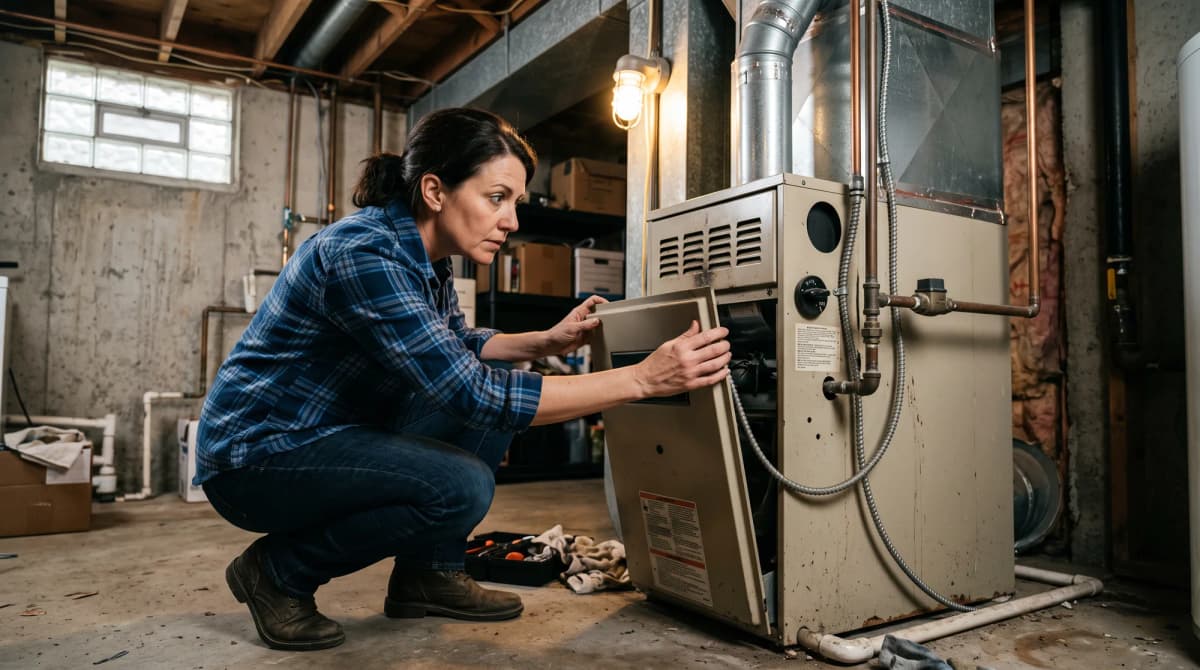
Don't open the refrigerant circuit, add refrigerant, or attempt electrical repairs yourself. Proper equipment and training are essential for this kind of work.
If you need assistance with this, look for a local AC repair professional.
FAQs
Why is my AC blowing warm air even though it's turned on and running?
Several problems can cause this, including an incorrect thermostat setting, a clogged air filter, a dirty outdoor unit, a frozen evaporator coil, low refrigerant, ductwork leaks, or a compressor problem. Always begin with the thermostat, the breaker, the filter, and the outdoor unit. If the checks do not restore cooling, then contact a professional for diagnosis.
Can a dirty air filter really cause an AC to blow warm air?
Yes. A very dirty filter will block air circulation around the system and lead to issues with the evaporator coils. If the filter is visibly clogged, replace it with the correct replacement. If the AC still pumps out warm air after, there may be another problem and it is best to get a professional diagnosis.
Why does my AC blow cold air sometimes and warm air other times?
There are a number of reasons an intermittent cooling may occur, such as limited airflow, frozen coil, low refrigerant, thermostat failure or failure of a component. If the air changes direction between cold and warm frequently, don't turn it on again and again in a desperate attempt to resolve the issue. Get the system checked by a technician.
Is it safe to keep running an AC that's blowing warm air?
It depends on the cause. A simple thermostat mistake may be harmless to fix. However, don't keep running the system if it's frozen, repeatedly trips the breaker, or makes unusual noises. If the cause is not evident, shut it down and schedule professional service.