If your AC is producing a lot of noise, do not assume it is due to its longevity. Some noises are due to something relatively simple, like leaves trapped in the outdoor unit, and some noises may indicate a failing motor or loose internal parts.
It is not just the volume of noise but the type that matters. If it is a quick click during startup, it may be normal, but if it is grinding, hard banging or the hissing continues for a long time, it needs to be paid more attention. In some cases, the best solution is to shut off the system and then get it serviced before operating it again.
The best way to figure out what's going on is to identify the specific sound your AC is making.
Common AC Noises and What They Usually Mean
Squealing or Screeching
If it squeals or screeches at a high-pitch it is likely that something is moving and requires attention. The belt or bearing in a motor that is worn can produce this noise on an older air conditioner. If the blower motor requires lubrication, it can get noisy as well.
But if a squeal persists or increases, it is advisable to have it checked before the part fails altogether.
Grinding
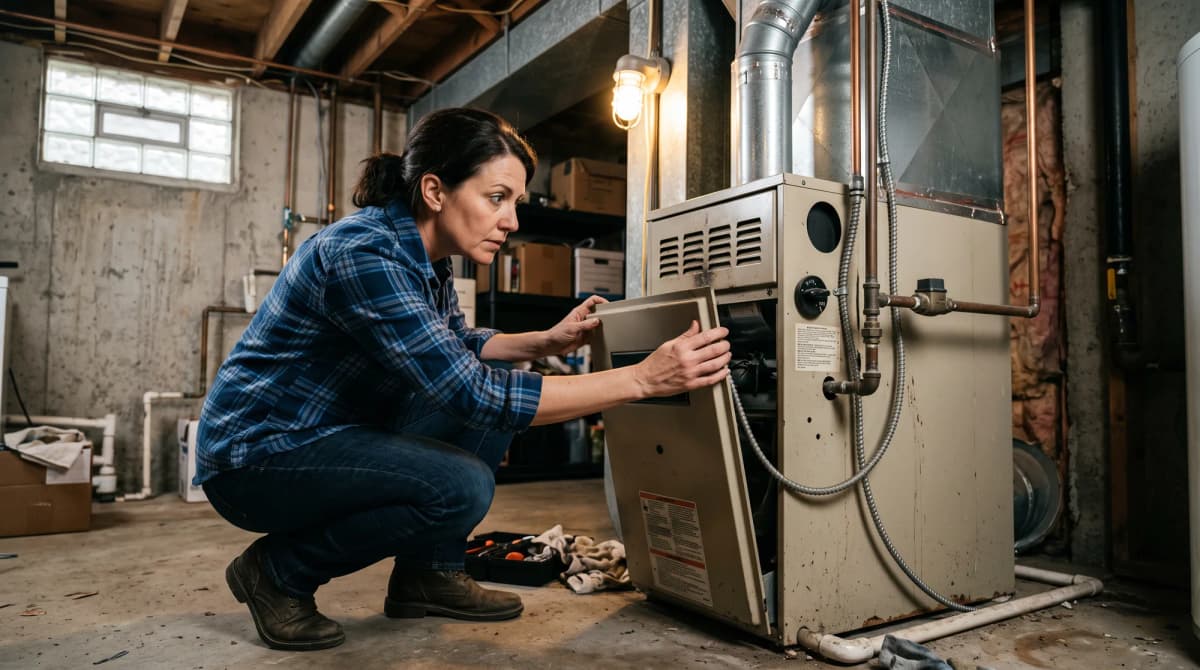
An air conditioner grinding noise is one you should not ignore. Grinding is a sign that a motor bearing is on the verge of wearing out or has already worn out.
If you are hearing grinding noises, especially if loud or if you just heard the noise for the first time, turn off the AC. If a motor is close to seizing, it may cause more damage if it is continued to run.
Banging or Clanking
When a loud noise from your AC is accompanied by banging, something is loose or damaged within the system. This can be a loose part, a broken connector or another object that is moving about inappropriately depending on the equipment.
If the noise is forceful, sudden, or accompanied by vibration, shut the system off rather than trying to determine the exact failed part yourself.
Clicking (Repeated vs. Single)
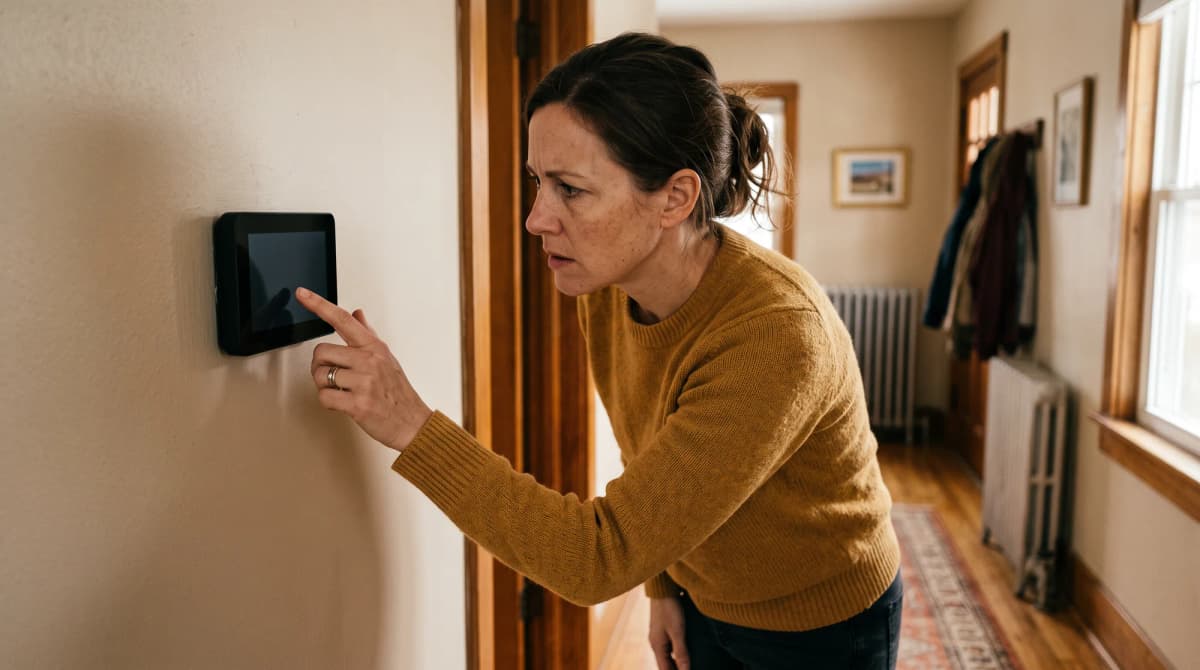
Thermostat clicking when it is calling for heat, or electronic components like a contactor may click when they're operating as usual.
Repeated clicking is different. If you hear rapid clicking, clicking that continues after startup, or a system that repeatedly tries to start without staying on, there may be an electrical or control problem. This is one good reason to get the system checked.
Buzzing or Humming
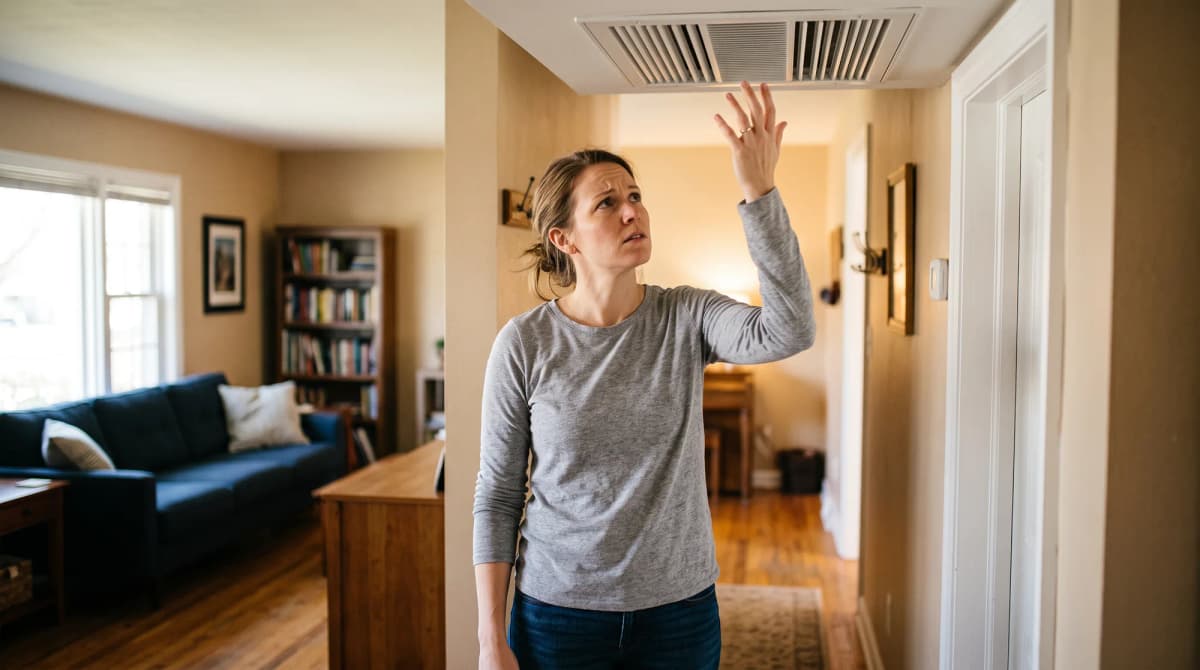
Various sounds can come from loose parts, debris in front of the outdoor unit, a faulty capacitor or other electrical and mechanical problems.
If the operation hum is steady and low, it may not be an issue. If the buzz is new or is unusually loud and the AC is not cooling as it should, the outdoor fan is acting differently, or the sound increases with time, it has to be investigated.
Don't open electrical compartments to investigate the source yourself. There are AC components that retain an electrical charge after the system is turned off.
Hissing
If a hissing noise is heard, it may be a sign that refrigerant is escaping or pressure is flowing through the system.
Don't open refrigerant lines or try to release, recover, or add refrigerant yourself if you suspect a leak. Refrigerant service must be performed by an appropriately qualified technician and be subject to EPA rules for handling refrigerants in stationary air-conditioning equipment.
If the hissing persists, it indicates a call-soon problem, especially if you are having difficulties cooling down, an ice problem on the system, or other performance changes.
Rattling
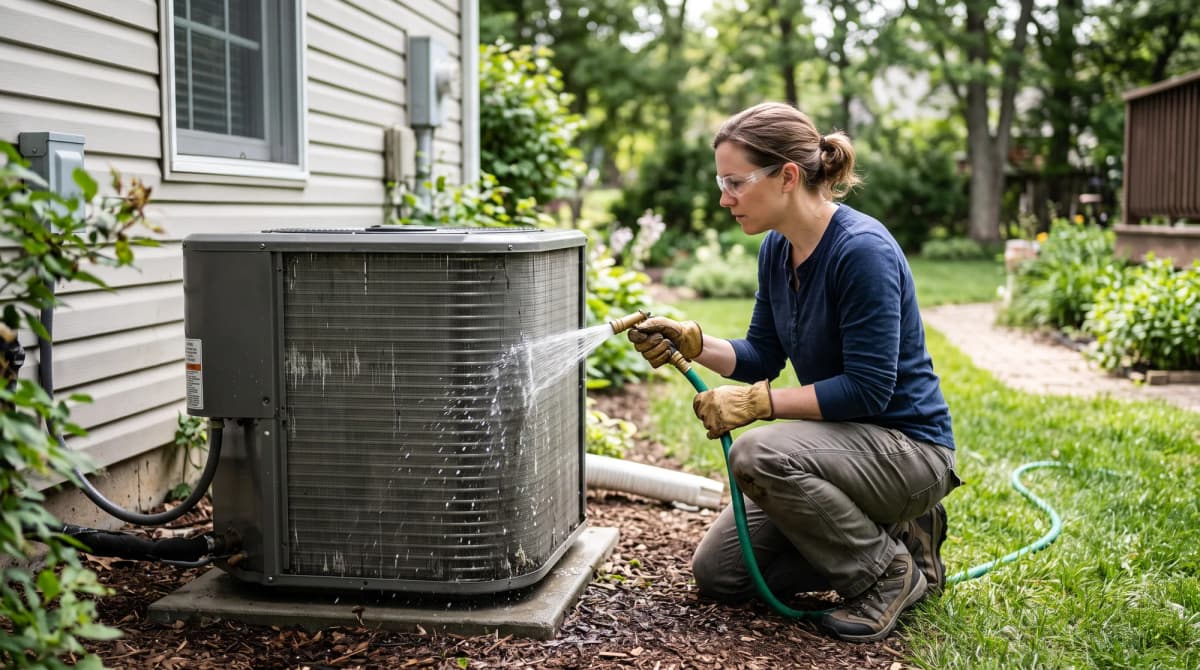
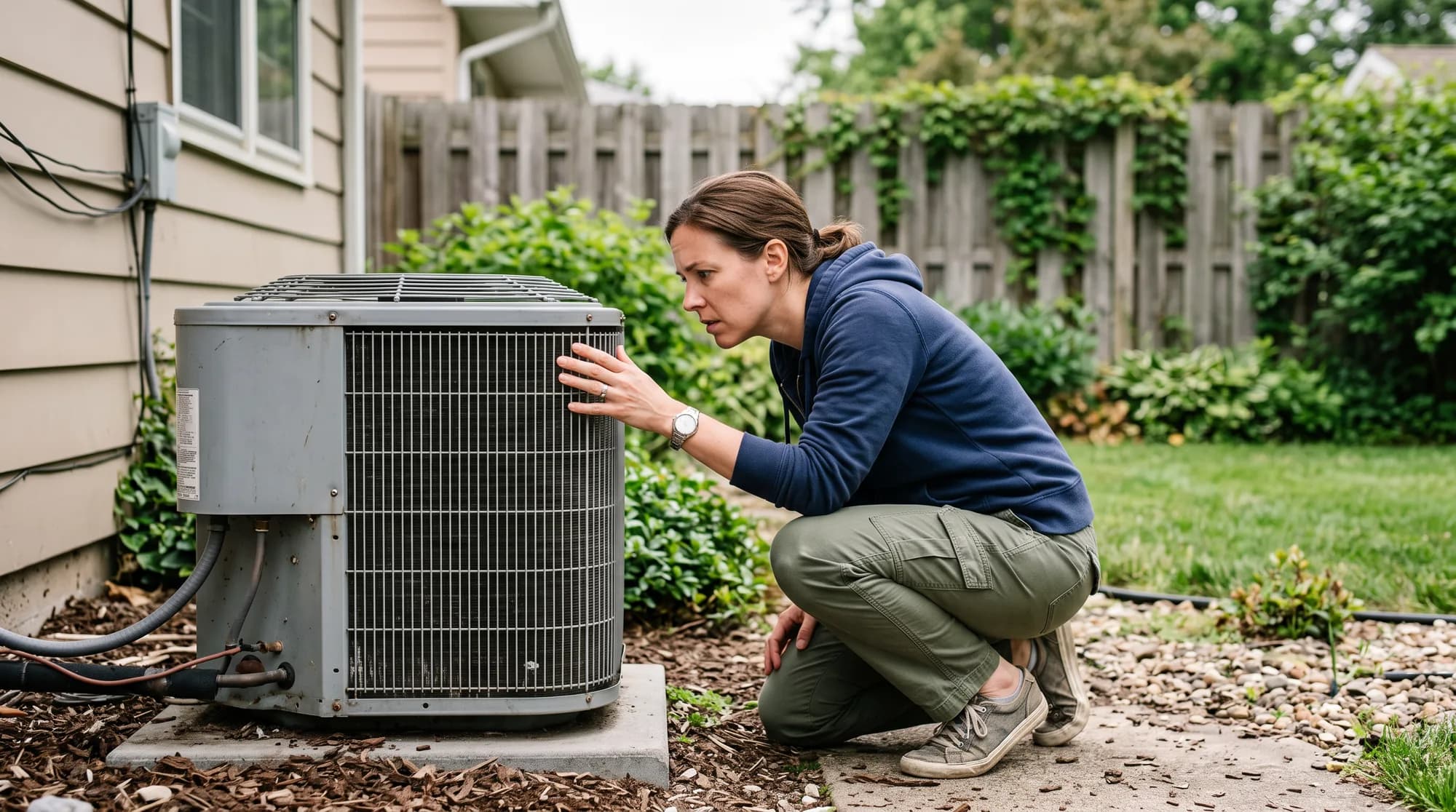
One of the easier noises to investigate yourself is a rattling sound. The outdoor condenser unit can collect leaves, sticks or other debris which can cause noise while the fan is running. Another exterior rattle may be a loose access panel, screw or other piece.
Shut down the system and inspect the outside unit for any loose panel or easily visible debris. If the noise continues after the simple checks, have a technician determine what is causing it.
When an AC Noise Means You Should Turn the System Off
If your AC is making any of these sounds, take it seriously.
Turn the system off and arrange for professional service if you hear:
- Persistent grinding, especially if it is loud or getting worse.
- Excessive knocking or clanging noises indicating an internal loose or faulty part.
- If there is a refrigerant problem, it may manifest as hissing noises with poor cooling or other symptoms.
- A weird sound and the smell, smoke or visible electrical problem.
- An abrupt, intense sound which did not occur during normal operating conditions.
Simple Checks You Can Do Before Calling a Technician
You do not have to make your own diagnosis of a failed component. The key first step is to prevent a potentially damaged system from operating until the cause is understood. There are some simple things you can do before contacting a technician.
- First, check the air filter. This can cause a significant drop in airflow and lead to system performance issues if the filter is extremely dirty. If it is visibly clogged, and your system has a replaceable filter, replace it with the proper size and type.
- Then inspect the outside of the outside unit. Clear away visible leaves, grass or loose debris from the area around the unit but do not go in through the grille or near the fan.
- It's also a good idea to verify that the outdoor unit access panel is in place and that the circuit breaker hasn't partially tripped. If the breaker trips again after it is reset, do not continue resetting it.
- Never open refrigerant lines, remove the compressor housing or break apart electrical components to locate the sound. Those jobs demand the use of equipment and training, along with the right safety measures.
When to Call a Professional
Call an HVAC technician if the noise is constant, suddenly grows louder, or if it is accompanied by any other indicator sign like lack of cooling, vibration, burning smell, or frequent clicking sounds.
Grinding and serious banging are particularly good reasons to stop operating the system until it has been checked. If it is suspected that the refrigerant has a problem, it should be left to a professional to fix it.
Our AC repair service page is available for finding a local AC repair contractor if you need assistance in a noisy system.
FAQs
Is it normal for an AC to make a little noise when it starts up?
Yes. Some clicking or brief noise that occurs when an AC turns on and off is normal. The thermostat, contactor, blower and other parts may make brief noises when the unit starts up. The important thing is whether the noise is new, loud, repeated or has a poor cooling, vibration, burning smell or other changes.
What does a grinding noise from an AC unit usually mean?
If the motor bearing is worn or damaged, it will make a grinding sound. Persistent grinding should not be seen as normal operating noise as continued operation can place additional stress on the motor and other parts. Shut down the system and call a qualified HVAC professional to check it out instead of letting the air conditioner keep running.
Is it safe to keep running an AC that's making a rattling noise?
This will depend on the cause of the rattle. A loose part or a part on the exterior of the unit may be minor, but an internal part that is loose or damaged can also cause rattling noises. Shut down system before looking for visible exterior debris. If the noise still persists, have the unit checked by a technician.
Can a noisy AC unit fix itself, or does it always need a repair?
An AC that is noisy doesn't necessarily require extensive repairs. It can often be as simple as a stick, leaf or a loose exterior panel. But sounds that result from worn bearings, broken parts, electrical problems or refrigerant problems will not permanently correct themselves. If a new noise persists or gets worse, have the system checked.