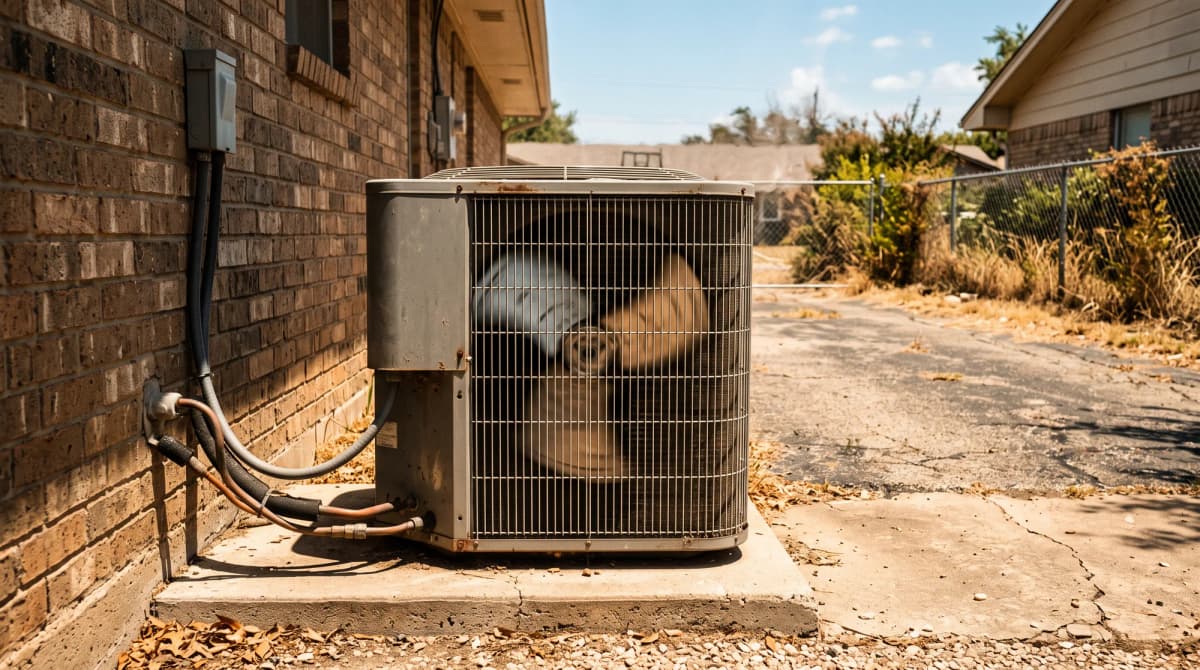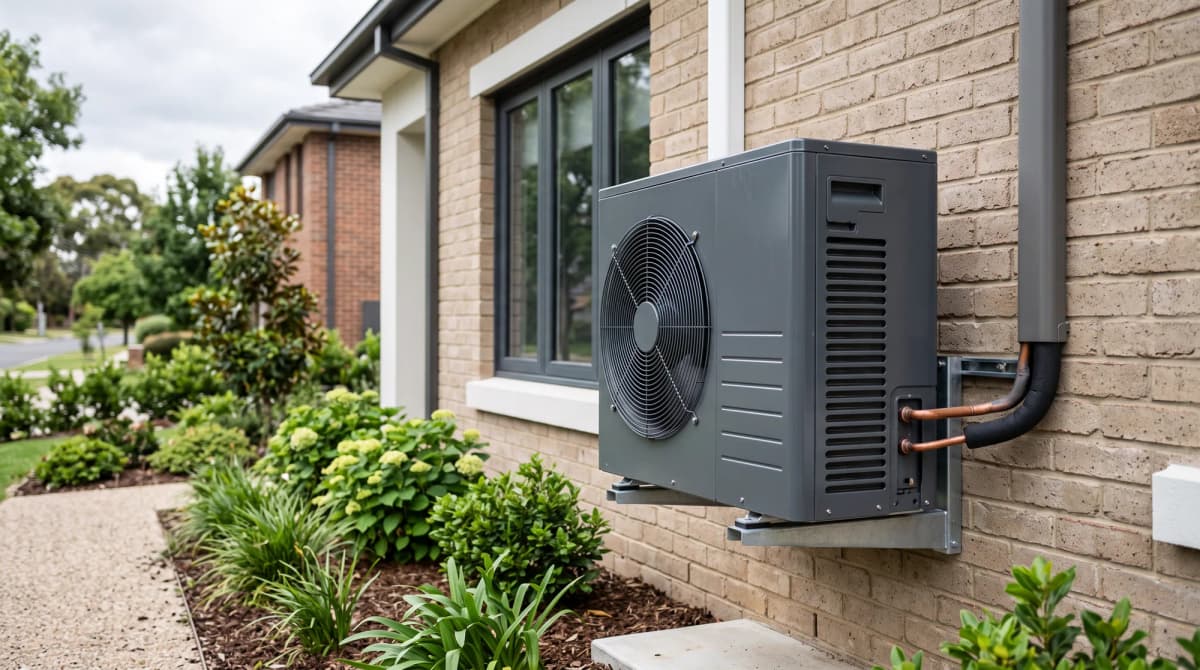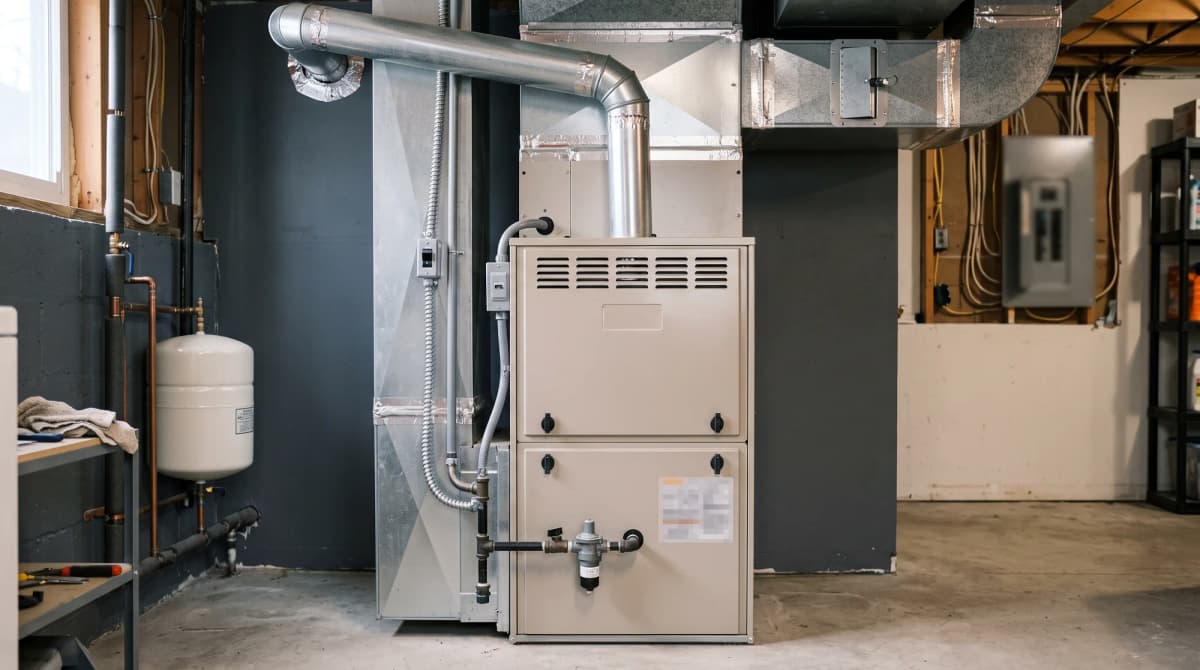
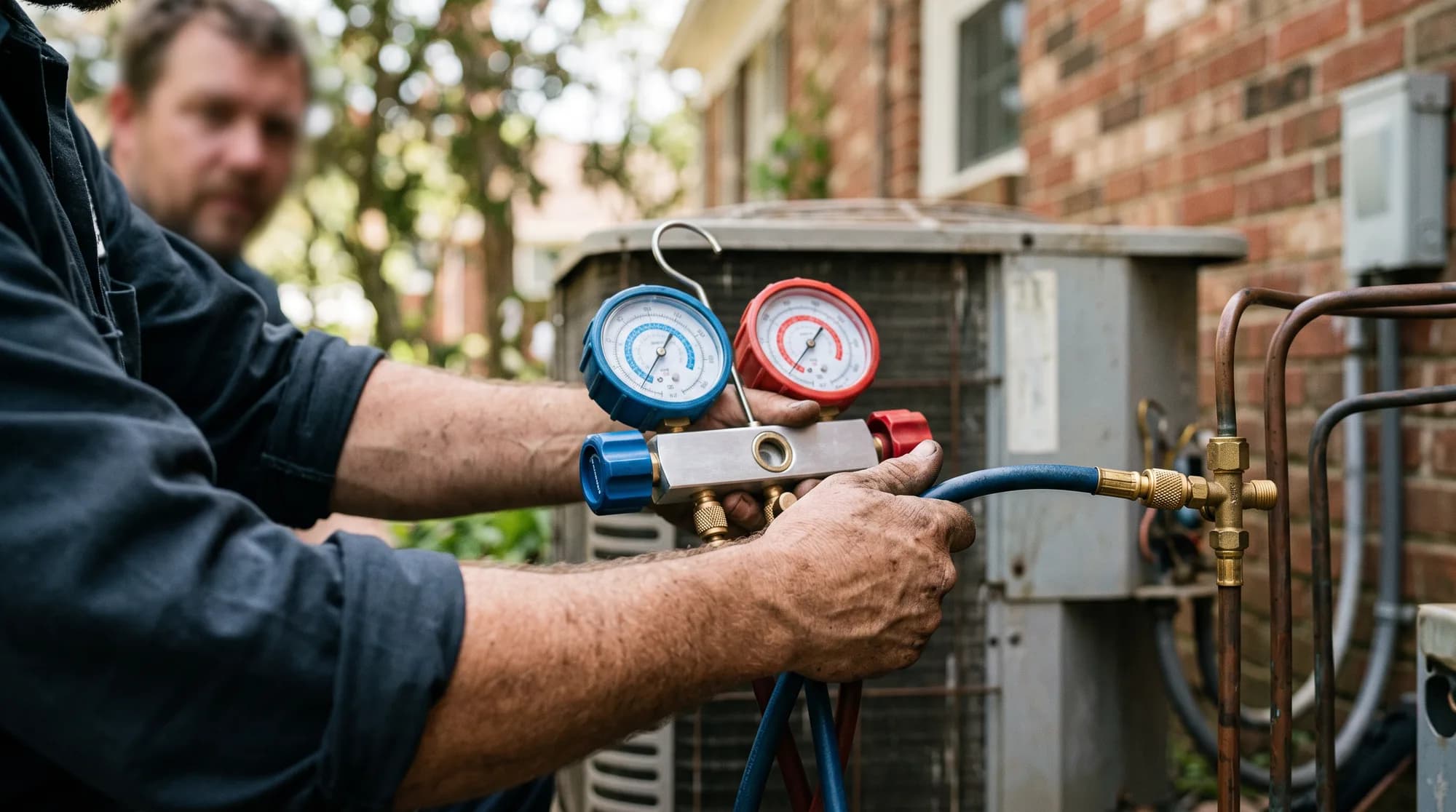
R-410A service costs are rising in 2026 as the US HVAC industry moves new residential air-conditioning and heat-pump equipment toward lower-GWP refrigerants. Homeowners with existing R-410A systems can still have them serviced, but a recharge can cost roughly $50 to $90 per pound in 2026, with leak diagnosis and repair adding to the final bill.
The shift follows the U.S. Environmental Protection Agency's Technology Transitions Program, established under the American Innovation and Manufacturing (AIM) Act, which restricts new residential and light-commercial AC and heat-pump equipment to refrigerants with a global warming potential (GWP) of 700 or less. As manufacturers transition new equipment to refrigerants such as R-454B and R-32, millions of existing R-410A systems remain in service, creating a growing divide between the refrigerant used in legacy equipment and the refrigerants used in new systems.
EPA's 2026 Rules Push New AC Equipment Away From R-410A
R-410A has not been banned for servicing existing air conditioners. EPA says R-410A components can continue to be sold and distributed for use in servicing legacy systems. Specified R-410A components manufactured or imported after January 1, 2025, such as condensing units, compressors, and evaporators, must be labeled for servicing existing equipment only.
For regular residential and light-commercial AC and heat-pump equipment, EPA's 2026 update removed the installation deadline that would otherwise have applied to qualifying equipment manufactured before January 1, 2025.
That means homeowners do not face a blanket 2027 or 2028 cutoff for installing this qualifying pre-2025 equipment. The regulatory change primarily refers to the refrigerant manufacturers use in new equipment, while existing R-410A systems remain serviceable.
R-410A Service Costs Rise as Legacy AC Systems Remain in Use
The market is shifting in two directions. Manufacturers are moving new residential systems toward lower-GWP refrigerants, while older R-410A equipment continues to require refrigerant when leaks occur.
R-410A Recharge Costs Can Add Hundreds to Service Bills
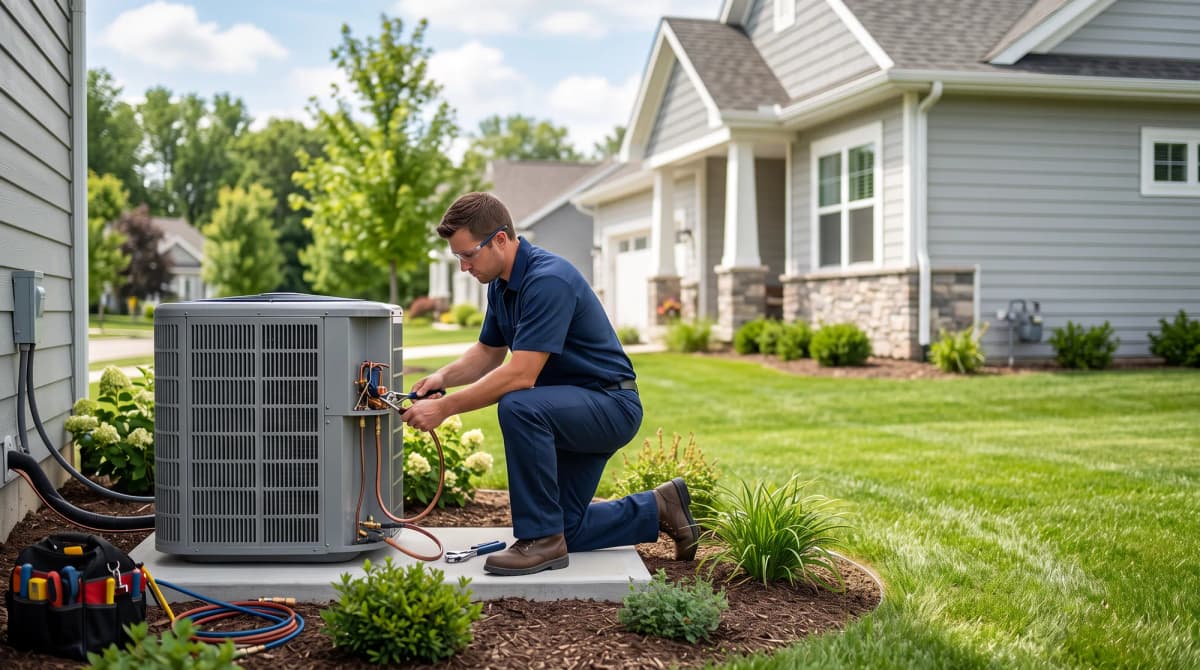
AC Direct's May 2026 pricing data puts homeowner R-410A service at roughly $50-$90 per pound installed. The price can include refrigerant, technician labor, recovery, leak checks, and overhead, rather than representing the wholesale refrigerant price alone.
A large recharge therefore can add hundreds of dollars to an AC service call. If the system has a leak, the homeowner also pays for diagnosis and repair rather than simply replacing lost refrigerant.
Repeated R-410A Recharges Can Signal a Bigger AC Problem
A properly sealed AC system should not routinely lose refrigerant. If an R-410A system repeatedly needs a recharge, the technician should investigate where the refrigerant is escaping.
There is no EPA rule stating that exactly two pounds indicates a significant leak. The more useful warning signs are the amount of refrigerant required, repeated recharge calls and the system's age and repair history.
R-454B and R-32 Reshape the New AC Market
The A2L refrigerant transition is moving residential HVAC toward lower-GWP alternatives. EPA lists R-454B and R-32 refrigerant as acceptable for specified residential and light-commercial AC and heat-pump applications, as both fall below the 700 GWP threshold.
| Refrigerant | Approx. GWP | Safety classification | Residential HVAC role |
|---|---|---|---|
| R-410A | 2,088 | A1 | Existing systems and service |
| R-454B | 465 | A2L | New lower-GWP equipment |
| R-32 | 675 | A2L | New lower-GWP equipment |
For homeowners replacing an AC, this means newer systems are being designed around these lower-GWP refrigerants instead of R-410A. The change has been a major shift for the entire HVAC industry, affecting not only the refrigerant used but also the equipment design, installation requirements, and service procedures.
R-454B and R-32 systems must be specifically designed and approved for those refrigerants rather than simply switching refrigerants in an existing R-410A system.
The R-410A Replacement Also Changes AC Design and Installation
R-410A has a GWP of about 2,088 and is classified as A1, while R-454B and R-32 are both classified as A2L, meaning they have mild flammability.
A2L Systems Require Different Safety Measures
Therefore, HVAC technicians and installers should account for the refrigerants' characteristics through equipment design, charge limits, controls, and applicable mitigation measures. Some A2L equipment also incorporates refrigerant detection and automated safety responses.
However, there is no basis for saying that every residential A2L system has an identical mandatory sensor that automatically shuts down its compressor. The specific safety measures depend on the equipment and applicable standards.
R-410A Systems Cannot Simply Switch Refrigerants
For homeowners, this means that an existing R-410A system cannot be converted to R-454B or R-32 simply by changing the refrigerant. If an AC needs replacement, the new system must be designed and approved for its specific refrigerant. A refrigerant transition is more of a replacement decision than a simple recharge decision when an existing R-410A system reaches the end of its useful life.
Rising R-410A Costs Are Changing the Repair-or-Replace Equation
A costly recharge does not automatically mean an AC needs replacement. But when an older R-410A system repeatedly needs refrigerant, the repair-vs.-replace calculation gets harder.
Homeowners should compare the latest repair estimates with the system's age, repair history, and expected remaining life. EPA's 2026 rulemaking acknowledges homeowners may weigh continued repairs against replacement as the market transitions away from R-410A refrigerant.
What This Means for Homeowners Replacing AC Refrigerant
Using R-410A does not automatically mean a working AC needs replacement. The bigger question is whether continued repairs make sense.
If your system needs a substantial recharge, the decision should go beyond the immediate repair bill:
- A small, repairable leak: Fixing the system may still be the most practical option.
- A recurring refrigerant leak: Repeated recharge costs can make continued repairs harder to justify.
- An older R-410A system: Compare the cost of another major repair with the price and expected lifespan of a new system.
- A major refrigerant loss: Ask the technician to identify the leak and provide both repair and replacement estimates.
- A replacement is needed: Ask about newer equipment using lower-GWP refrigerants such as R-454B or R-32.
The best time to compare those options is before the next AC breakdown. An evaluation now can help you avoid making a rushed repair-or-replace decision when the system fails during peak cooling season.