Does your home give you a sneeze, headache, or otherwise leave you with a smell that you can't figure out? You may wonder whether allergies are to blame. It could also be a dirty HVAC filter, excess moisture, or a problem with your home's air.
An indoor air quality test can be used to help determine the type of pollutants and conditions in a specific area, but the test is not always the solution to an indoor air complaint. Certain signs indicate a particular source that should be investigated, whereas other signs suggest that testing is helpful as the issue is not apparent.
There is one important exception: radon. There is no need to have symptoms or a suspicious smell before testing for it. Unlike most other gases, radon does not have any warning signs that you can discover on your own, so the EPA recommends radon testing in all homes.
Why Indoor Air Quality Testing Matters
Your home's air can contain particles, gases, and biological pollutants. These can come from cooking, cleaning products, furnishings, combustion appliances, and building materials.
EPA reports some indoor pollutant concentrations may be 2-5 times higher indoors than outdoors. The agency also reports that Americans spend approximately 90% of their time indoors.
That does not mean every home has a dangerous air-quality problem. However, if you have symptoms that do not clear up, odors that cannot be explained, moisture issues, or have recently made some changes to your home, then it is worth investigating.
Instead of simply asking whether your indoor air is bad, start by asking what might be causing the problem. From there, you can determine if testing is necessary.
Common Signs You Need an Indoor Air Quality Test
Different pollutants produce different clues. It can help to classify symptoms and conditions rather than addressing all indoor air complaints as the same.
Ongoing or Worsening Allergy Symptoms
If allergy-like symptoms repeatedly occur inside your home, indoor pollutants could be contributing.
Dust mites, pet dander, mold spores, and other biological particles can act as indoor allergens or asthma triggers. The EPA identifies mold, dust mites, and pet dander among common indoor asthma triggers.
Pay attention to patterns. If symptoms worsen at home or began after a move, water leak, or HVAC problem, investigate the indoor environment. However, symptoms alone don't mean that your home's air is the cause.
Musty or Stale Odors
If the area is really smelly, it is a sign that there may be moisture or ventilation issues.
Mold and mildew can give off a musty odor, even if they are not seen. Poor ventilation can also make the air inside the room stuffy or smelly.
Inspect bathrooms, basements, crawl spaces, under sinks, around water pipes, and HVAC equipment. If the odor persists but can't be located, the help of a professional may be required.
Visible Mold or Mildew
Visible mold is a more direct warning sign than an unexplained symptom.
The presence of mold should alert you to look at the water or humidity issue, as mold needs water to grow. When there is visible mold, the EPA states that standard mold sampling is typically not required, as it is the removal of the mold and the source of moisture that should be addressed.
Mold testing may still be helpful for hidden mold, unknown mold source, or when special testing is required.
Recent Renovation or New Furniture or Flooring
Even though everything looks clean, the air in your home will change when you make renovations.
Certain products and materials can emit volatile organic compounds (VOCs) into the air, such as paints, adhesives, flooring, furnishings, and cleaning products. Indoors, VOC levels may be elevated, especially following use of products that contain VOCs.
If unusual odors or irritation began after a renovation or new installation, consider the timing and possible sources. Ventilation and source control can be beneficial, and testing may be helpful if a specific pollutant is suspected.
An Aging or Poorly Maintained HVAC System
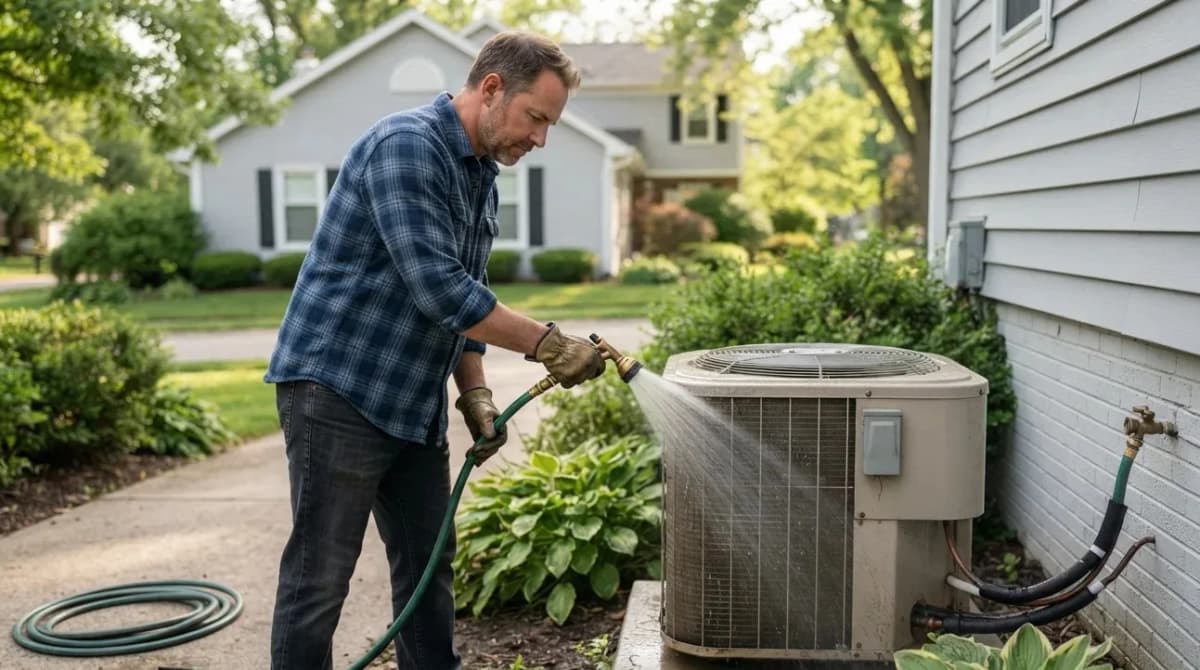
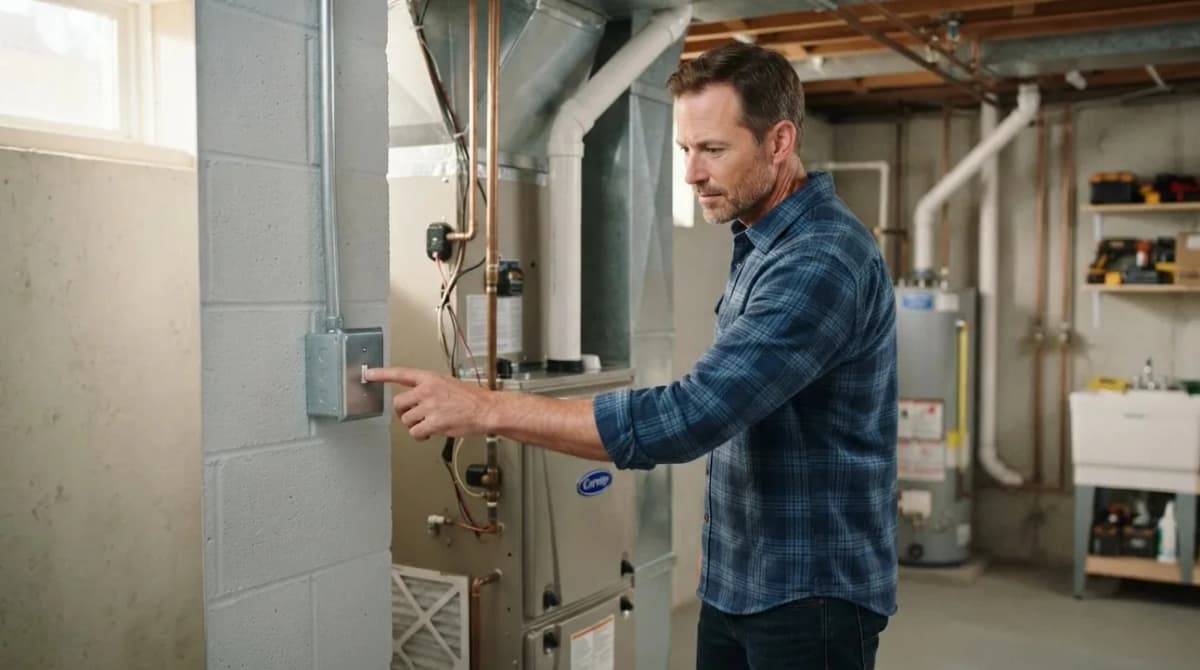
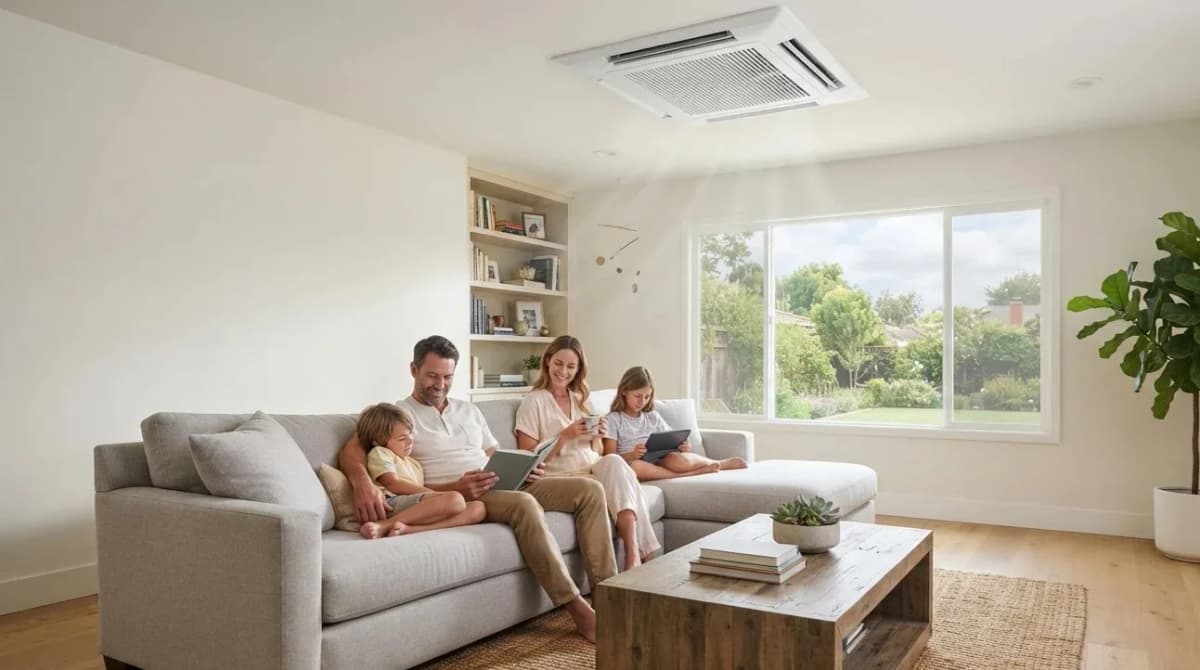
Your HVAC system determines the flow of air and airborne particles in your house.
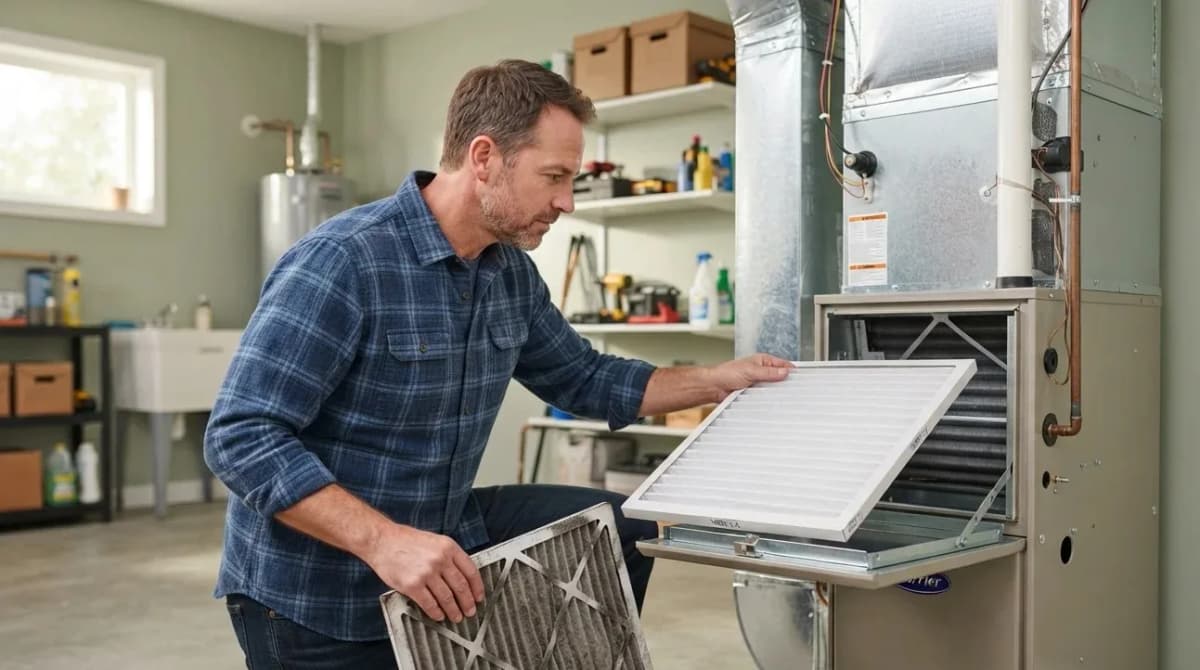
Indoor-air problems can be caused by dirty filters, neglected equipment, moisture in the system, or contaminated parts. While HVAC filters can capture some airborne particles, they are not always capable of eliminating all pollutants or resolving moisture issues.
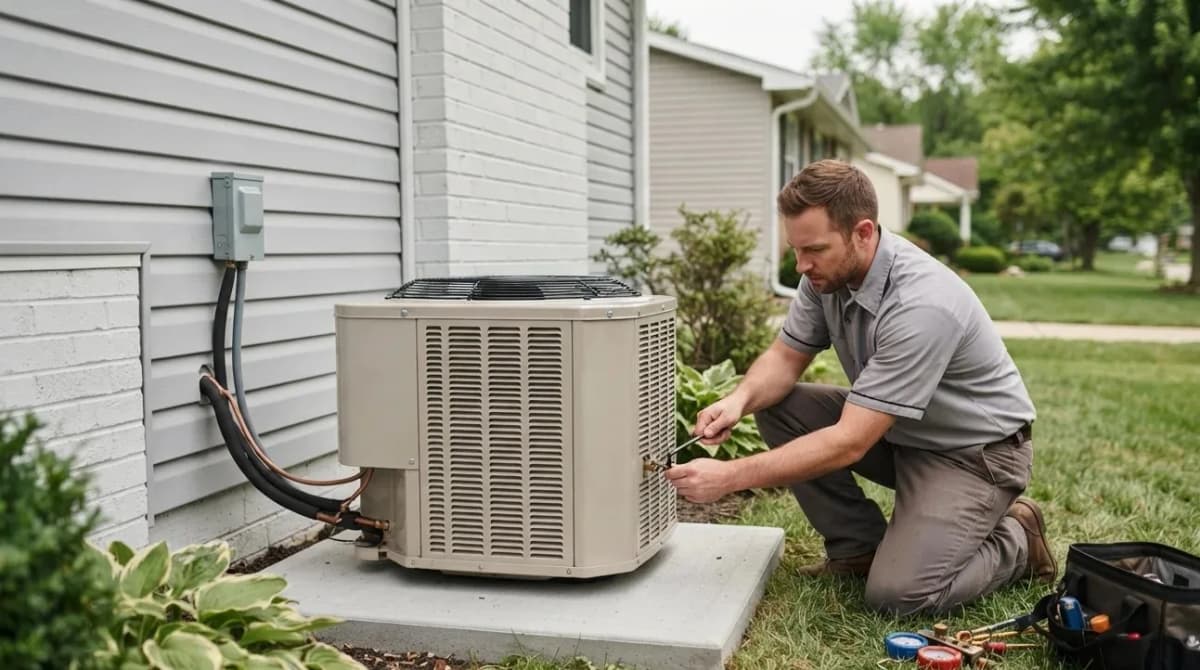
Start with basic HVAC maintenance. In cases where odors, contamination, or other concerns persist, more comprehensive indoor air-quality tests might be appropriate.
Excess Humidity or Condensation on Windows
Condensation, damp areas, and consistently high humidity can point to a moisture-control problem.
EPA suggests indoor humidity be kept at less than 60% and ideally between 30 and 50 percent. Too much moisture can encourage mold and dust mites.
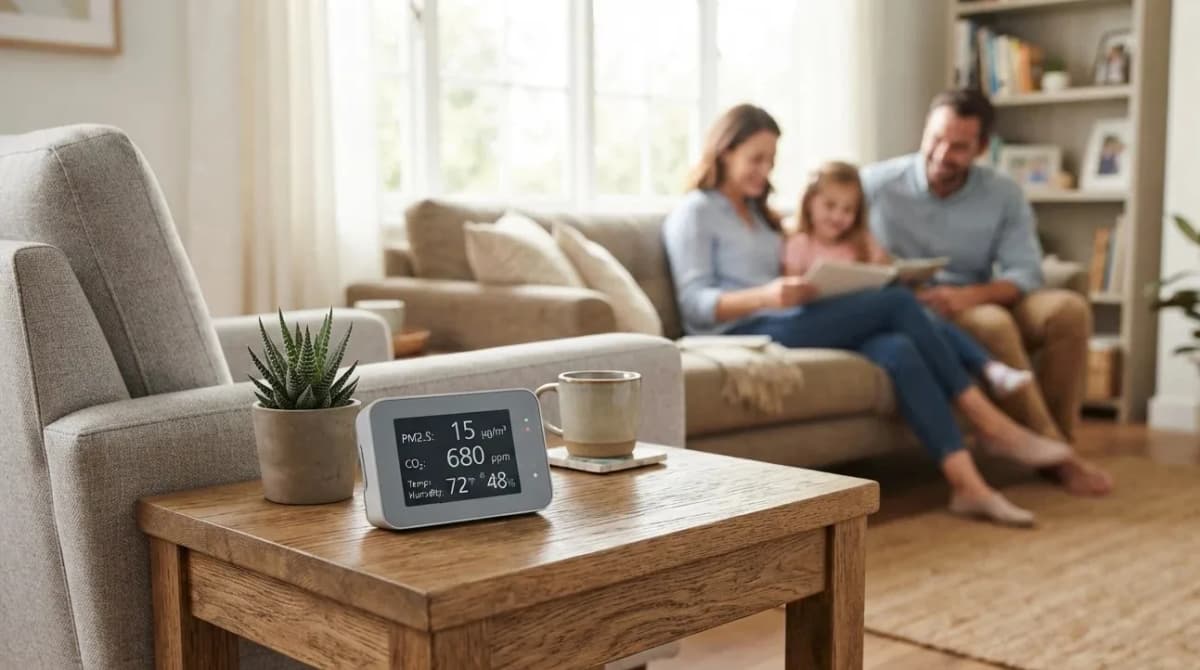
Use a simple hygrometer (humidity gauge) to determine if humidity is actually high, rather than just how it feels.
If you want to learn more about indoor moisture, read our article Humidifier vs Dehumidifier: Which Do You Need?
The One Test the EPA Recommends for Every Home: Radon
Radon is a special case and should be treated separately from the "look for symptoms" approach.
Radon is a naturally occurring radioactive gas that you cannot see or smell. You might not smell it, see it, or feel it. According to the EPA, testing is the only way to determine the level of radon in your home, and all homes should be tested.
Radon can enter buildings through cracks and openings in foundations, floors, walls, and construction joints. Long-term exposure increases lung cancer risk, and the EPA identifies radon as the second leading cause of lung cancer in the United States after smoking.
You should not wait for symptoms before testing. EPA recommends taking action to reduce radon when levels reach 4 picocuries per liter (pCi/L) or higher. Home test kits and professional testing are both options.
Even with everything else being normal, homeowners should consider radon testing if they have never had their home tested.
DIY Test Kits vs. Professional Indoor Air Quality Testing
Depending on what you are testing for, a DIY test may or may not be useful.
Radon is a good example of a pollutant that can be measured using a home test kit. EPA explicitly identifies radon testing by homeowners as an alternative to professional testing.
Testing in the general indoor-air situation is more complex. There is no single test that determines whether an entire home has "good" or "bad" air. Each instrument detects a specific type of pollutant, and results must be evaluated with building context.
Mold testing is another example. EPA and CDC do not recommend routine mold air sampling in most homes because there are no health-based standards defining an acceptable amount of airborne mold. Where mold can be seen, it's usually more helpful to correct moisture problems than to measure the amount of spores.
A professional assessment can help if you have ongoing symptoms that you can't explain. It can also be useful if you suspect hidden mold, have ventilation problems, deal with regular moisture, or aren't sure what is causing the problem.
What a Professional Indoor Air Quality Test Actually Checks
A professional assessment should focus on the problem you're trying to find. It shouldn't just be about taking as many measurements as possible.
Testing may include:
● Particulate matter: Particles in the air emitted from combustion and smoke. ● VOCs: Gases released by products and materials such as paint, flooring, furnishings, and cleaners. ● Mold or biological contaminants: Investigated when there are signs of moisture, visible growth, or a specific concern. ● Humidity: Important because excess moisture can encourage mold and dust mites. ● Ventilation and carbon dioxide (CO2): CO2 can provide information about ventilation, but it is not a standalone measure of overall indoor air quality. ● Radon: A radon test can tell you if this radioactive gas is building up in your home.
The extent should correspond to the suspected problem. It is not necessary to have more measurements to have a better assessment.
When to Call a Professional
If the issue is not resolved with simple troubleshooting, consult a professional for indoor air-quality testing.
You may need professional help if you have ongoing allergy symptoms, unexplained odors, hidden mold, moisture problems, or HVAC issues.
A professional can also help you figure out what needs to be tested**.** This can save you from buying several home monitors and trying to make sense of different readings yourself.
Testing is useful when it helps you find the cause of a problem. If you already have a water leak, visible mold, or a dirty HVAC filter, fixing the problem may be more helpful than doing more tests.
FAQs
What are the most common symptoms of poor indoor air quality?
Common symptoms of poor indoor air quality include irritated eyes, nose, or throat. You may also experience headaches, coughing, sneezing, wheezing, or worse allergy and asthma symptoms. Mold, dust mites, pet dander, VOCs, and other pollutants can cause these symptoms. However, these symptoms alone do not prove that your home's air is the cause.
Can ongoing allergy symptoms actually be caused by my home's air?
Yes. Indoor allergens can cause allergy or breathing problems. Mold, dust mites, and pet dander are common triggers. If symptoms worsen at home, look for moisture, inadequate ventilation, HVAC issues, or other pollutants. If symptoms persist, consult a health care provider.
How much does a professional indoor air quality test typically cost?
The cost of a professional test can vary. Some tests monitor a single pollutant, while others monitor several. Ask the person you are considering hiring what they will test and how they will test it. Also, be sure to ask what information you will receive in the final report. The more the merrier is not always true.
Are at-home air quality test kits accurate enough to trust?
It depends on the type of testing you are doing. The EPA recognizes DIY radon tests as an option for homeowners. Some pollutants can be monitored in the home. They are, however, not able to point to all pollutants or determine the cause of pollution. If you have an ongoing or complicated problem, a professional evaluation can be more beneficial.